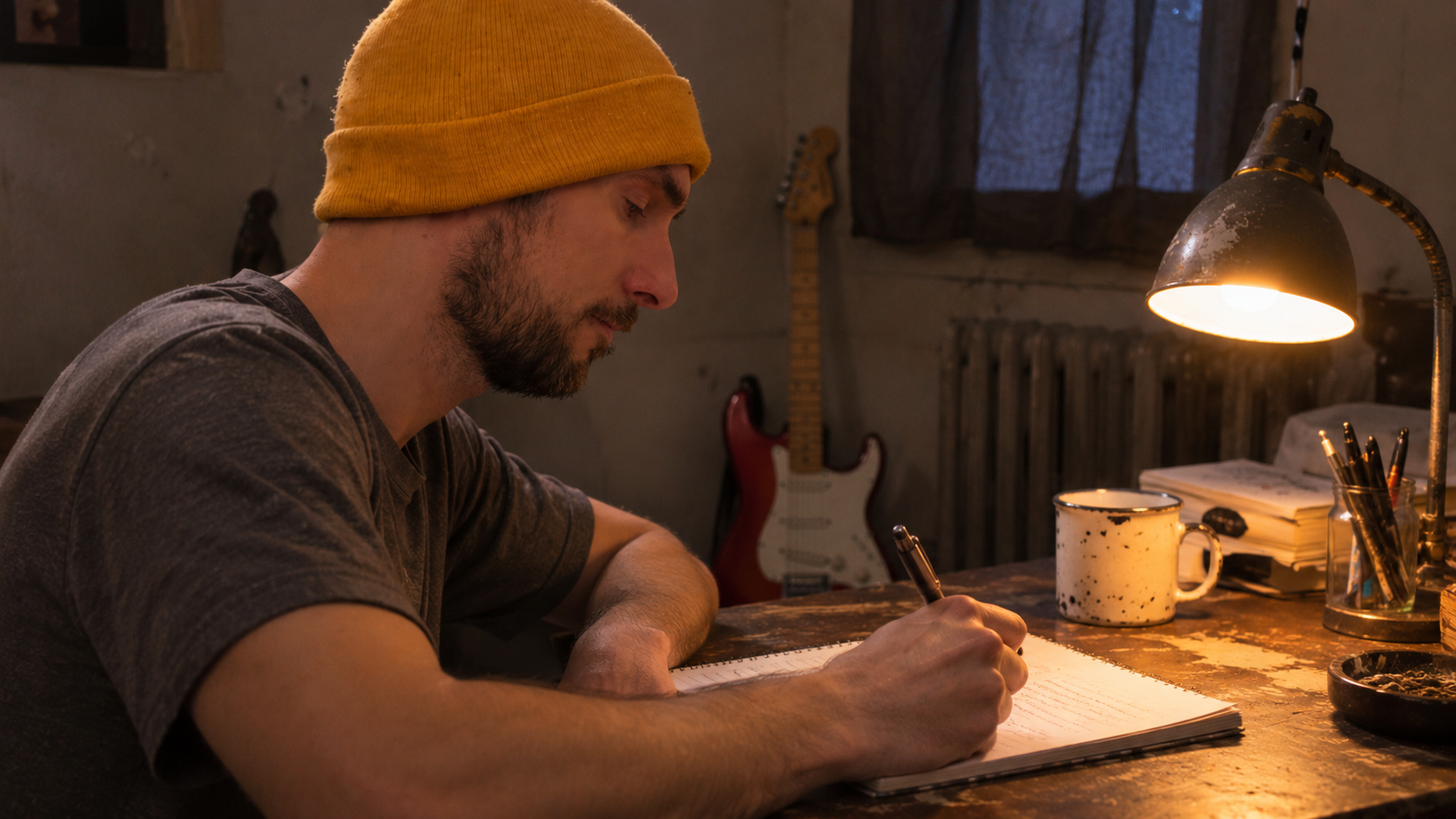
I want you to imagine a city where everyone is happy.
Not some corny, unrealistic utopia. I’m talking about a genuine paradise. No war, poverty, racism, political division, or oppression. A city filled with music, art, laughter, friendship, and people living meaningful, fulfilling lives.
And make it YOUR paradise. Seriously. Whatever your ideal world looks like, put it here. Sexual orgies? Perfect harmony with nature? You can eat what you want with no consequences? Whatever makes your version of paradise perfect, go ahead and add it.
Got it? Good.
Welcome to Omelas.
But Omelas has a secret.
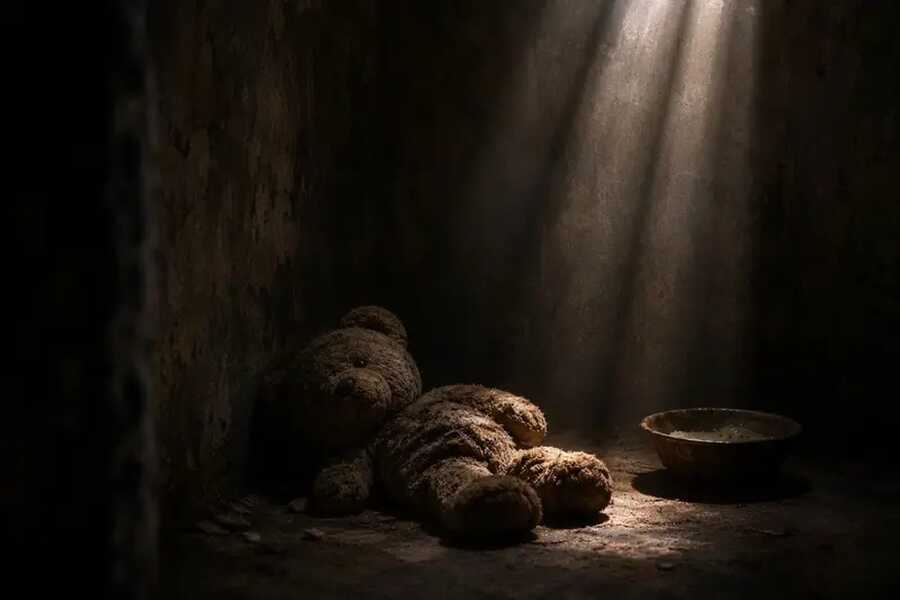
Beneath one of its beautiful buildings, behind a locked door, is a small, filthy, windowless room.
Inside sits a child.
Its body is emaciated, covered in sores, its limbs frail from malnutrition. It sits hunched in its own filth, so frightened and alone, surviving on barely enough food and water to remain alive.
Sometimes people come to look at it. They recoil at the smell. Some cry. The child begs them to stay, promising to be good, pleading to be let out. But the door closes again.
No one comforts it. No one embraces it. No one even tells it that it matters. And above that miserable little room, the people of Omelas laugh, dance, and celebrate another beautiful day.
They all know the child is there.
Every citizen eventually learns the truth when they come of age. And they’re told something else: The happiness of their entire city depends upon that child’s suffering.
Free the child, show it kindness, and the happiness of thousands disappears. One miserable life in exchange for thousands of happy ones.
Most citizens are horrified at first. But eventually, they accept it. They return to their comfortable lives. The child remains.
But some people cannot accept it. They leave Omelas, walking into an unknown world, with no idea where they’re going. They simply know they cannot stay.
This is the premise of Ursula K. Le Guin’s 1973 short story, The Ones Who Walk Away from Omelas, one of my personal favorites. You can read it for free online. It's short. And it raises some deeply uncomfortable philosophical questions.
Can the suffering of one innocent person ever be justified by the happiness of thousands?
This challenges utilitarianism, the ethical philosophy concerned with maximizing overall well-being. But I’ve always struggled with the idea of reducing suffering and happiness to mere arithmetic.
And there’s another complication. The people who walk away don’t actually save the child.
Are they courageous for refusing to participate? Or are they simply protecting their own consciences while leaving the injustice untouched? And those who stay—are they monsters? Or ordinary people who’ve convinced themselves that nothing can be done?
Now consider something. Most of us would never agree to imprison a child for our own happiness. But what if the child were already imprisoned? What if we inherited the arrangement?
Our own comforts sometimes depend upon suffering we rarely see: exploited workers, environmental destruction, poverty concealed behind prosperity.
Our world is far more complicated than Omelas, but the question remains:
How much injustice do we learn to tolerate simply because we’ve grown accustomed to it?
We inherit systems we didn’t create, and we’re often told that changing them would be too difficult, too expensive, too disruptive. But how often do we mistake what’s familiar for what’s inevitable?
And here’s where I find something unexpectedly hopeful in this heartbreaking story.
Some people refuse to accept the bargain. They cannot make peace with what they’ve discovered, even without knowing whether a better world awaits them.
And perhaps that’s what makes Omelas so disturbing. Its citizens aren’t monsters. They love their families, care for their neighbors, create beautiful art, and experience genuine compassion.
They know the child’s suffering is wrong. Many are devastated when they first discover it. But eventually, most find a way to reconcile that suffering with their own happiness.
And I wonder whether that’s the most uncomfortable truth Le Guin is asking us to confront. Not that human beings are incapable of recognizing injustice, but that we’re remarkably capable of recognizing it, condemning it, and then learning to live alongside it.
Perhaps the real tragedy of Omelas isn’t simply that one child suffers so that thousands may be happy. It’s that thousands of otherwise decent people have learned to regard that suffering as an acceptable condition of their own happiness.
And somewhere beneath the beautiful city, the child is still waiting.
Email delivery is being connected. No address is collected yet.